


When exhibitions meet brand experiences
When these worlds interact thoughtfully, the result can be more meaningful than what either could achieve alone
.webp)
Designing a space is never just about walls or furniture, it’s about building emotion, context, and story. Two areas where this is never more true is within brand experiences and museums – places that exist to inform and move people. Yet, the meaning of “space” shifts dramatically between the two. To brands, exhibitions can seem slow and weighed down by process; to museums, activations can feel loud, commercial, and fleeting.
Between these two worlds stretches a vast landscape: World Expos, Biennales, visitor centres, showrooms, all blending a strong message with engaging spaces. Smart brand experiences can take inspiration from how exhibitions curate their story for educational purposes, while museums can benefit from the strategies brands can afford to put together.
There is much they can learn from each other – and many successful instances where they already are.
Telling stories through space
Despite obvious differences between culture and consumption, exhibition design and brand activations share a common goal: to tell stories through space. Both use a narrative as an engagement tool: whether you’re moving through a museum gallery or stepping into a pop-up store, the visitor follows a similar rhythm: an introduction, a moment of discovery, participative moments, and a conclusion that lingers. In both cases, storytelling is what turns a space into an experience. It’s what allows people to emotionally connect, to see their own interests reflected in the content being shared.
The story is what transforms passive observation into active engagement. Yet the two disciplines live on completely different timelines, speak different professional languages, and are shaped by contrasting priorities. One is built around conservation and context; the other around visibility and products. How can they learn from each other to create experiences that are not superficial or stunt-like, but relevant, layered, and human.
When museums host brands
From Nike’s exhibition at the Centre Pompidou during the Parisian Olympic Games to Pikachu’s cameo at Amsterdam’s Van Gogh Museum back in 2023, collaborations between brands and cultural institutions are increasingly common — and often divisive. Critics call them opportunistic; supporters see them as a way to bring new audiences through museum doors.
Whatever the stance, these collaborations undeniably shift perceptions. They turn museums into hosts for brands, opening architectural landmarks to visitors who might never have entered otherwise. The challenge, for both sides, is the same: how to attract attention without reducing the experience to fandom. The goal is not just to seduce tourists or experts, but to build a broader, more curious public — one that sees culture as something to participate in, not simply consume.
In a world where everything is content, Pikachu has a rightful place in a museum. Its influence on pop culture is undeniable. What transforms it from entertainment into cultural artefact is the museum’s act of framing, through the curatorial lens and audience programming, that turns popularity into significance, whether we agree or not on the proposed lens.

When products become artefacts
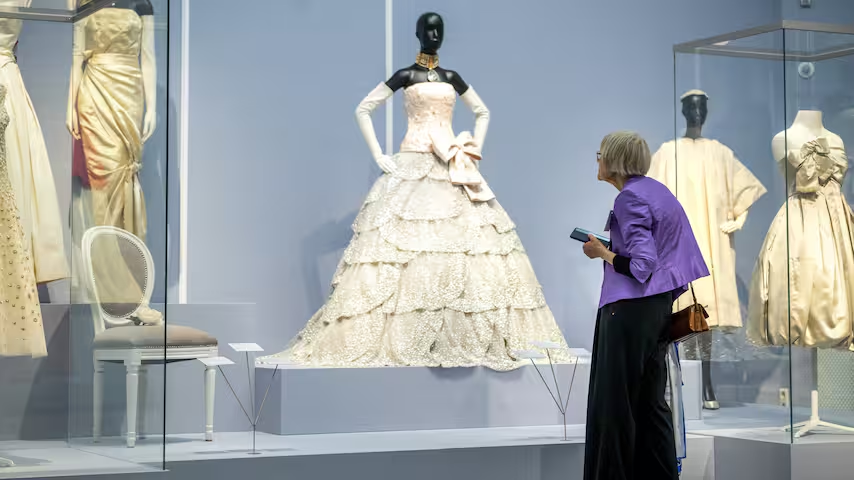
Put simply, brands are part of heritage, therefore it is by essence the museum’s role to tell their stories. Taking fashion as an example: fashion is art, fashion is also brands. The DIOR exhibition at the Kunstmeseum in Den Haag treated haute couture like sculpture, curated with the same precision as a fine art collection. In exhibitions, meaning emerges from perspective: how objects are grouped, rooms sequenced, and narratives interpreted.
But what happens when the content itself is intangible, for example, songs, habits or rituals? World Expo pavilions have long explored this question, using architecture and state-of-the-art technology to tell national stories through spectacle. More recently, collectives like teamLab in Japan have pushed the idea further, creating immersive environments where art exists only as light, sound, and code. These experiences trade the traditional authority of the museum for something more sensory and immediate, blurring the line between exhibition and entertainment.
When stories are tied to place
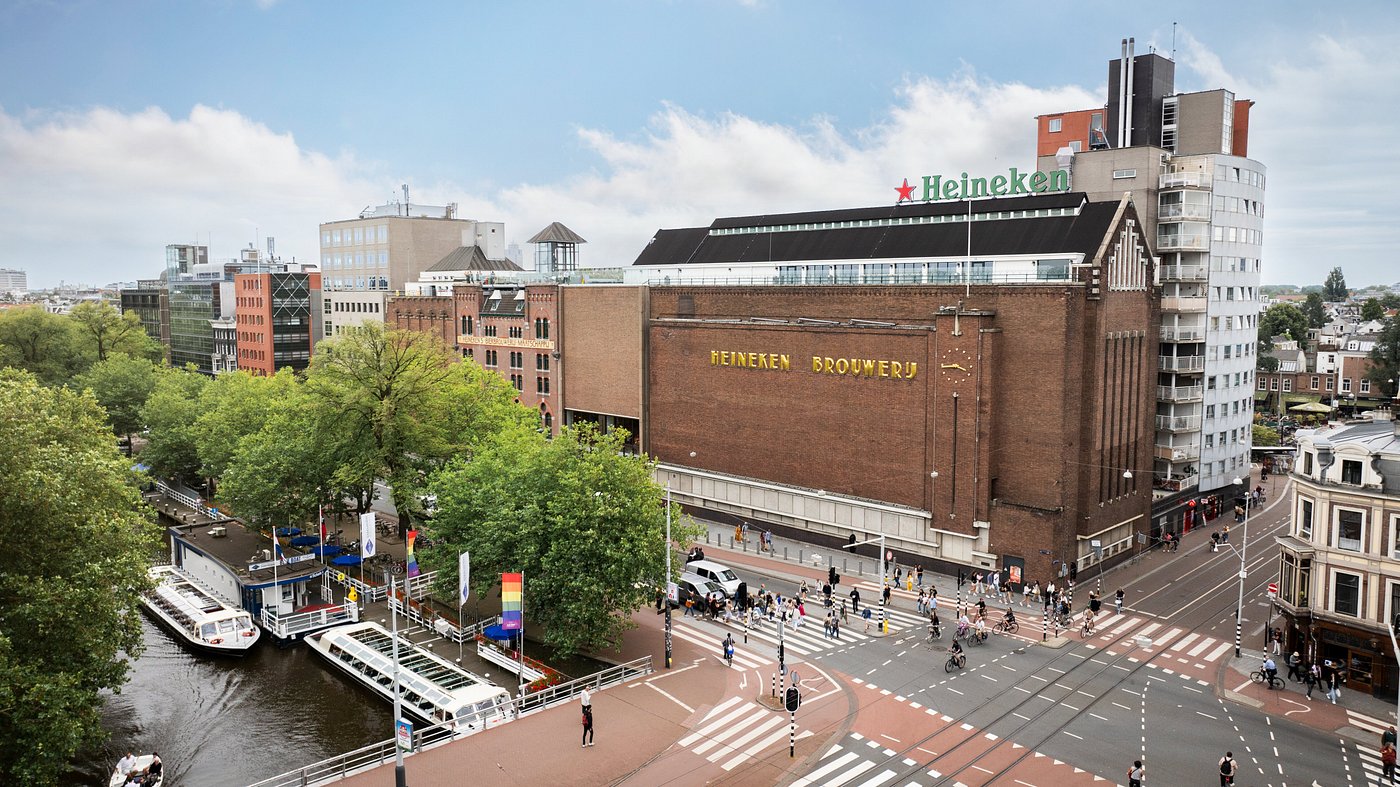
When brands create exhibitions of their own, the result can end up repetitive. The Guinness Storehouse in Ireland, the Home of Carlsberg in Denmark, and the Heineken Experience in Amsterdam all follow a familiar narrative arc: meet the founders, trace the process, celebrate the craft, and end with a freshly poured drink. Yet each succeeds because they are deeply rooted in geographical places that feel relevant and different. The localisation impacts the architecture and design choices, of course, but also brings in cultural differences, such as sharp design in Denmark, small spaces with steep stairs in Amsterdam, and a rooftop in Dublin. Only when a brand knows its story with the same depth and care a curator brings to research does the narrative truly take shape and gain meaning.
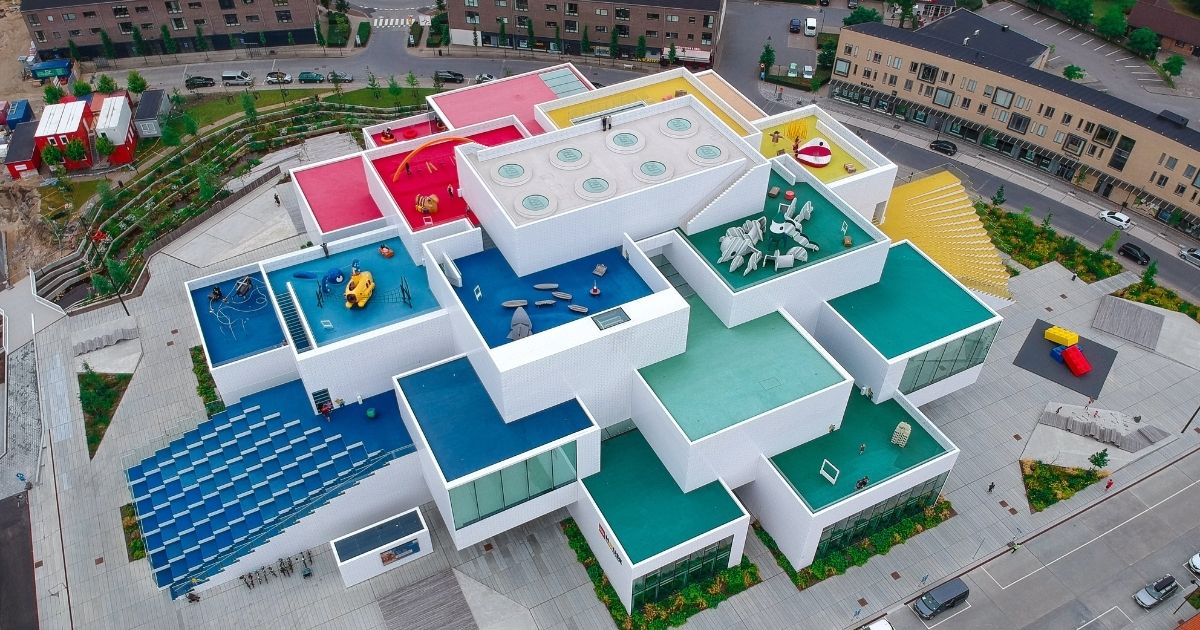
The LEGO House in Billund, Denmark, takes that idea further. It feels like a destination in itself: part museum, part playground, part design manifesto. Every visitor becomes a builder, moving through spaces that invite interaction and creativity. The building, the journey, and the narrative unfold like a museum experience, but interpreted through a brand perspective so it feels engaging and welcoming rather than intimidating.
Making space for substance
We are only just scratching the surface of what happens when exhibitions and brand experiences learn from each other and take the expertise of the other seriously. The boundaries between the two are becoming increasingly blurred: museums are no longer showcases with old stones in a white-box, and branded spaces are no longer giant cut-out cardboard logos.
Museums and brands both design with people in mind, but through different lenses: one institutional, the other commercial. This shapes not just the spaces and stories told – but can influence who feels welcome. The Pikachu collaboration drew criticism, yes, but it also drew visitors who'd never imagined the Van Gogh museum as a place for them. And for regular exhibition-goers? It made visible what was always there: branding exists in every exhibition, just in a quieter, more subtle way. The collaboration succeeded not because everyone loved it, but because it started conversations. And isn't that what culture is supposed to do?
What matters is that the story resonates, that it makes people stop, care, and question why and how it matters. In a landscape where culture is increasingly politicised and communication is increasingly ephemeral, design has the power to reconnect people with meaning. The challenge lies in creating spaces that are not only seen, but felt and that leave a lasting impression.