


What brand experience actually means – and why so many people are getting it wrong
Why it’s time to redraw the lines between experiences, stunts, ads, and products

In marketing circles, the term “brand experience” is having a moment. As more companies move into experiential design and see the value of creating in-person moments that mean something, the phrase has started being stretched to cover everything from stunts to social activations, pop-ups to product launches.
That’s not what brand experience is.
At a recent speaker event, billed as a deep dive into the topic, several panellists ended up describing adverts, stunts, and products instead. Each talked enthusiastically about the ripple effects their work created – the experiences that led from these things – but the core idea, the core point, kept getting lost. And yet no one on the panel pushed back or clarified. I was left a bit speechless (which was fine as I wasn’t part of the panel).
So, let’s clear this up: what is brand experience – and why do proper definitions matter?
What brand experience is – and isn’t
Getting the terminology right isn’t about nitpicking, it’s about purpose. Clear definitions help agencies and clients align on what they’re trying to achieve and why. They make ROI measurable, impact traceable, and expectations realistic. Without that clarity, creative work risks being misjudged, mis-sold, and misunderstood.
So what is a brand experience, really?
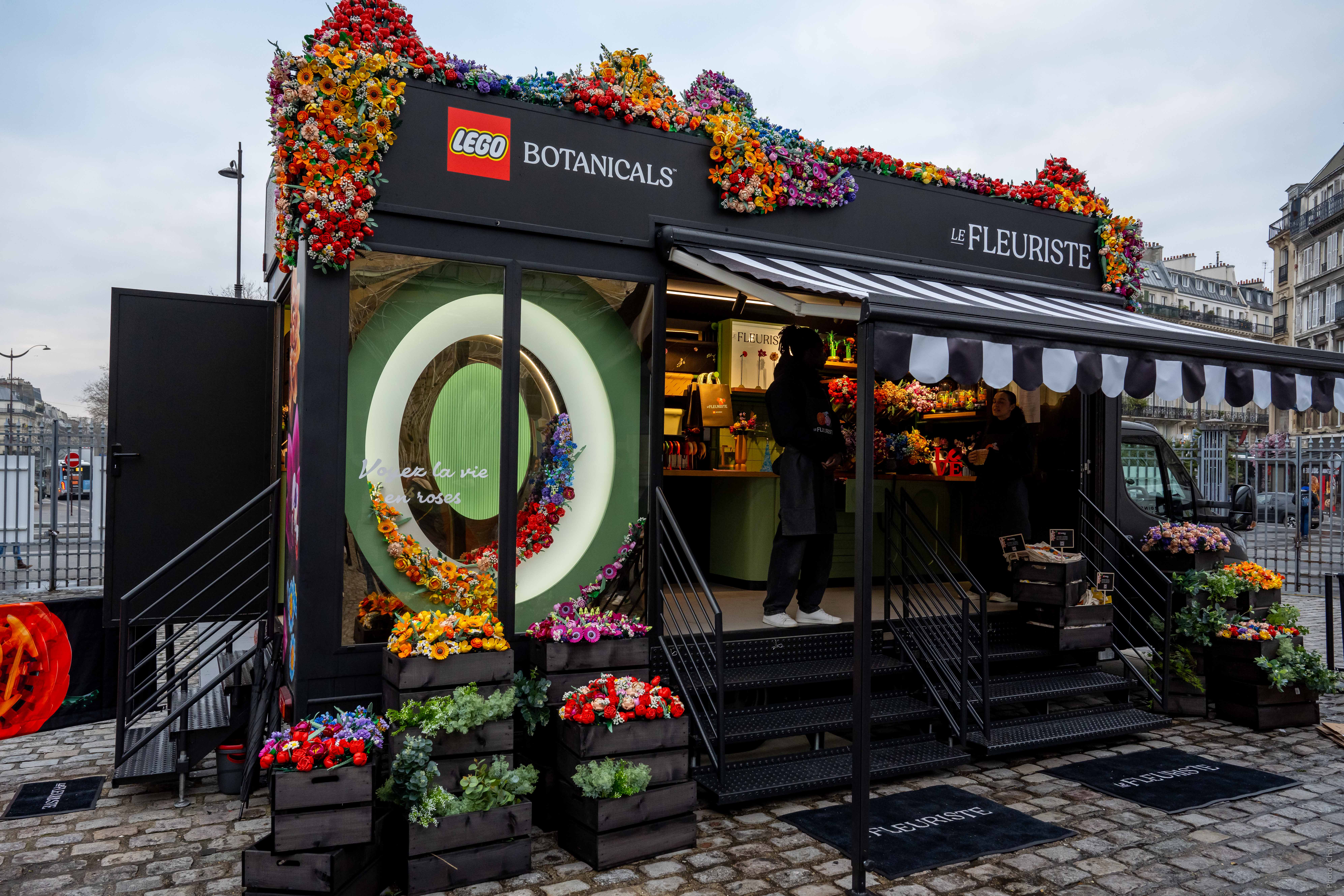
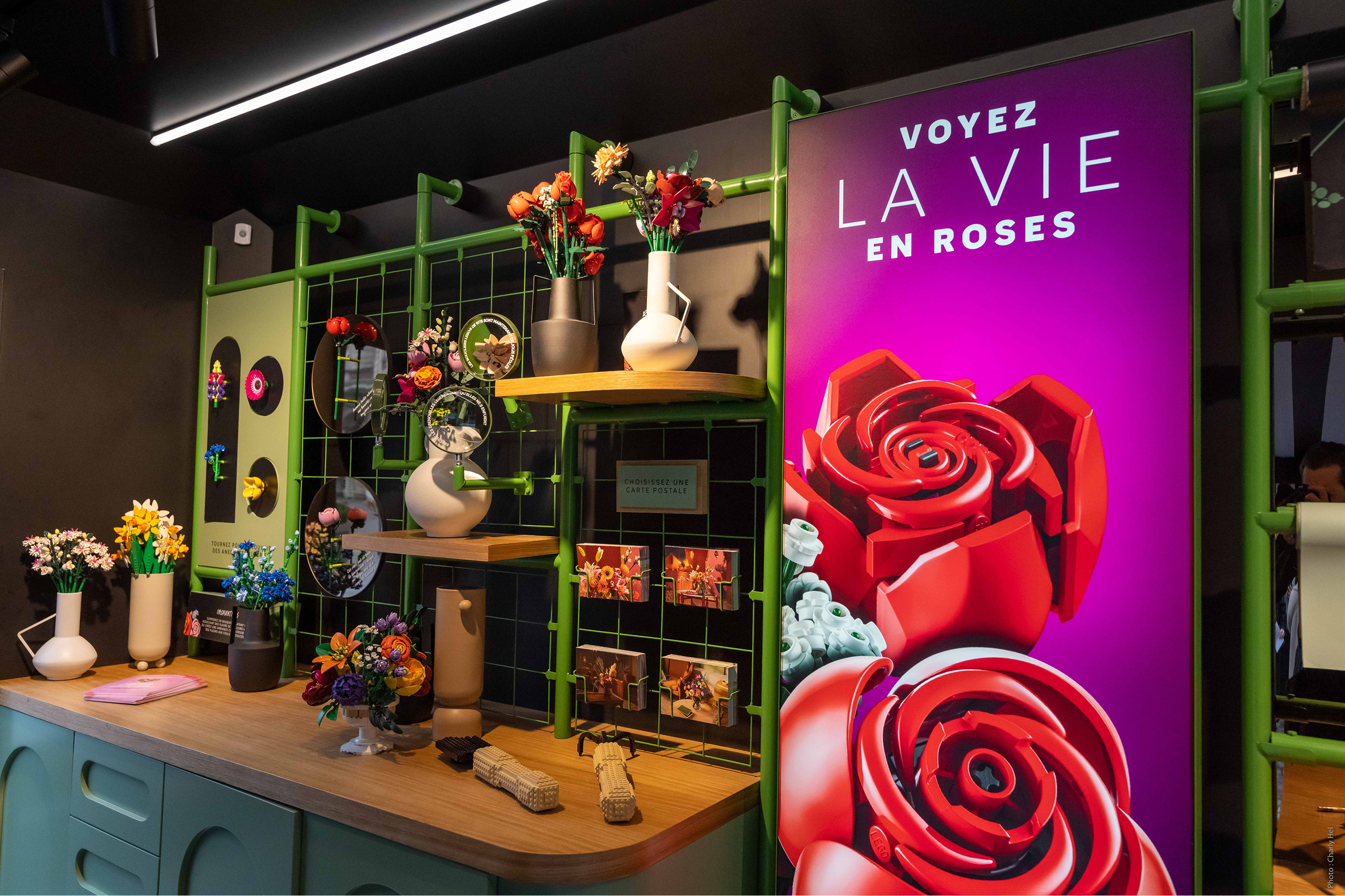
Brand experience: a live, real-world interaction designed to help people engage meaningfully and memorably with a brand. It’s participation, not observation. For example, our recent LEGO Botanicals Le Florist truck travelled all over Europe setting up workshops where visitors could make their own flowers. People didn’t just see the brand, they stepped into it.
Brand stunt: a one-off marketing move designed to grab attention and generate buzz, often with minimal audience interaction. Superman soaring above The Shard in London in July of this year to herald the new James Gunn film did exactly that – get people talking without asking anything else of them.
Advert: a controlled message broadcast to an audience. All exposure, no participation. From punchy street billboards to the ones you barely clock on your commute, they all sit firmly in this camp.
Product: something people buy into through money, membership, or status. It can absolutely feel experiential, but it’s rooted in the business model, not the brand story. Take Delta Sky Club: private airport lounges for premium club passengers and members. It offers an experience, but as part of a product, not as part of a specific campaign or brand narrative.




Clear lines, stronger connections
Recently, these terms have started to overlap. Sometimes down to genuine confusion, sometimes to broaden an offering. While that ambiguity might win short-term attention, it dilutes long-term credibility. When a ‘brand experience’ turns out to be an advert in disguise, both clients and consumers lose trust.
Proper brand experiences are built upon participation and so genuine connection. They invite people to step into the brand world and interact. There is a consumer journey; a carefully created narrative that invites active engagement. Visitors feel as if they have contributed – something increasingly important to people in an age of scrolling and scepticism. They don’t want to be told something, they want to live it. To test it out for themselves. This creates something real: a moment that matters and that they’ll remember.
As people look for more authenticity and emotional depth, understanding these distinctions isn’t optional, it’s essential. Brand experiences deserve the clarity that lets them shine, and consumers deserve better than blurred lines and borrowed language.